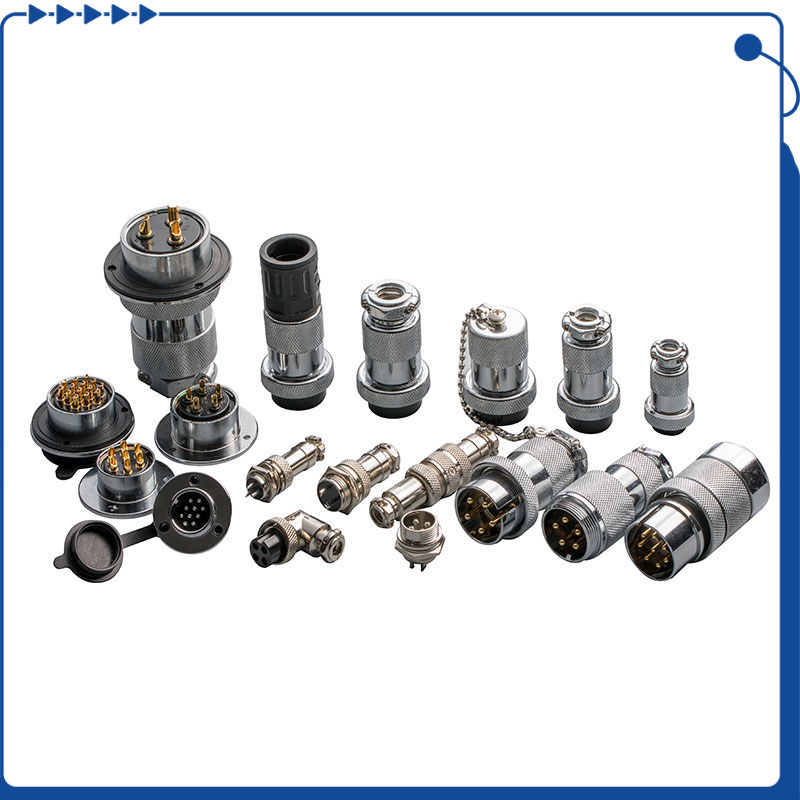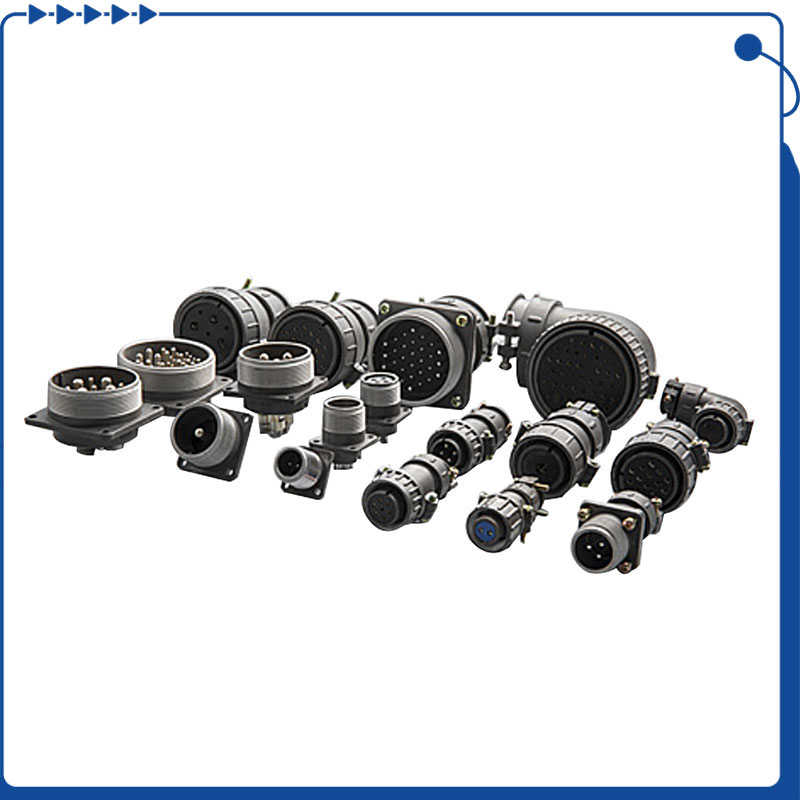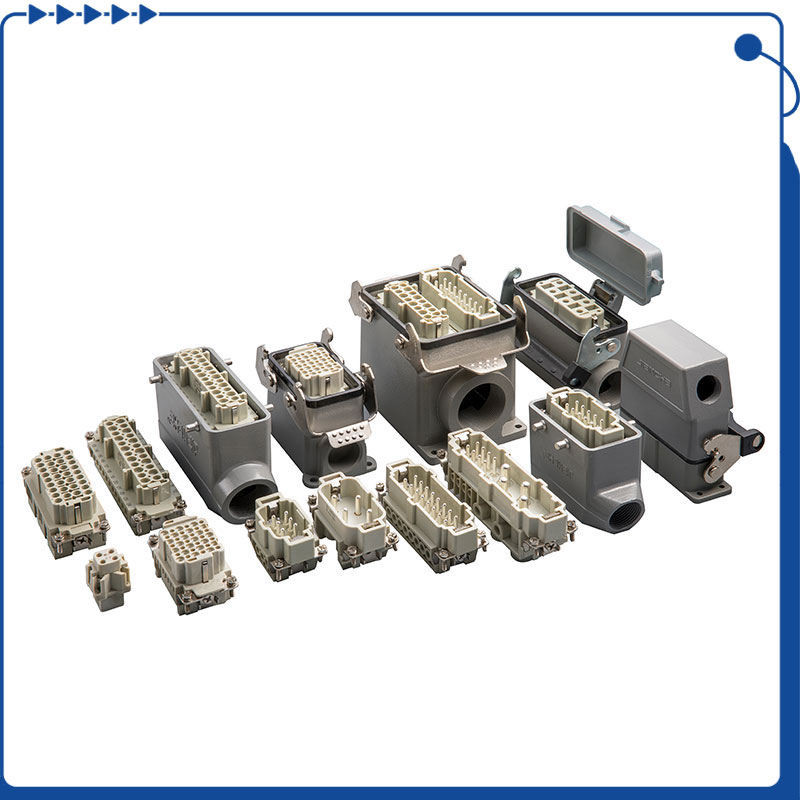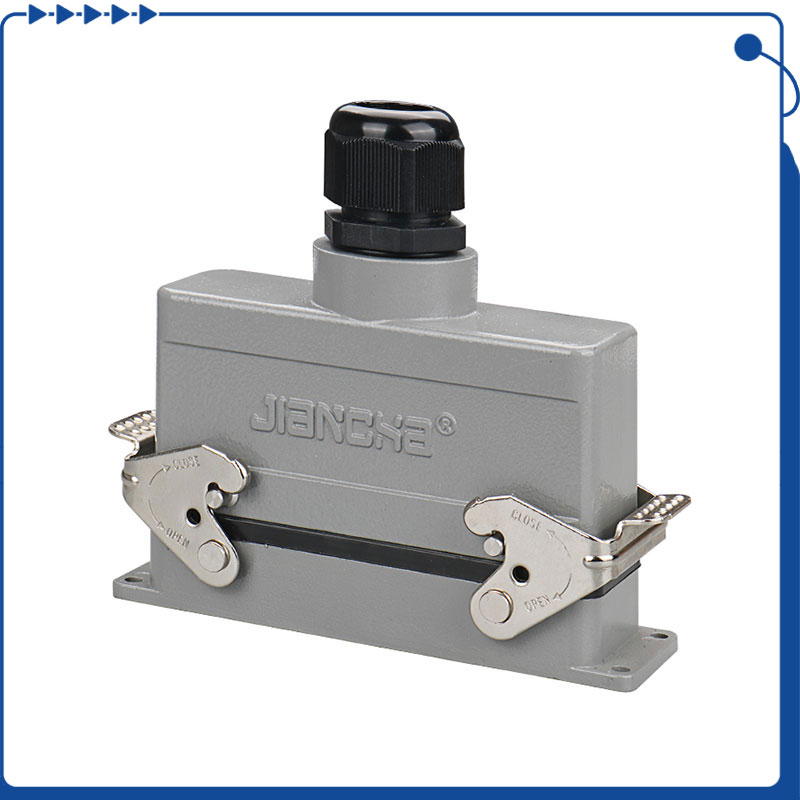

As global manufacturing continues to shift toward digitalization and automation, smart manufacturing and IoT (Internet of Things) technologies are becoming key drivers of industrial transformation. This evolution is not only changing how factories operate, but also reshaping the design requirements of core components such as industrial connectors.For industrial connector manufacturers like Zhejiang Gaoshiwei Aviation Plug Co., Ltd., these changes represent both new challenges and new opportunities in product innovation and application expansion.
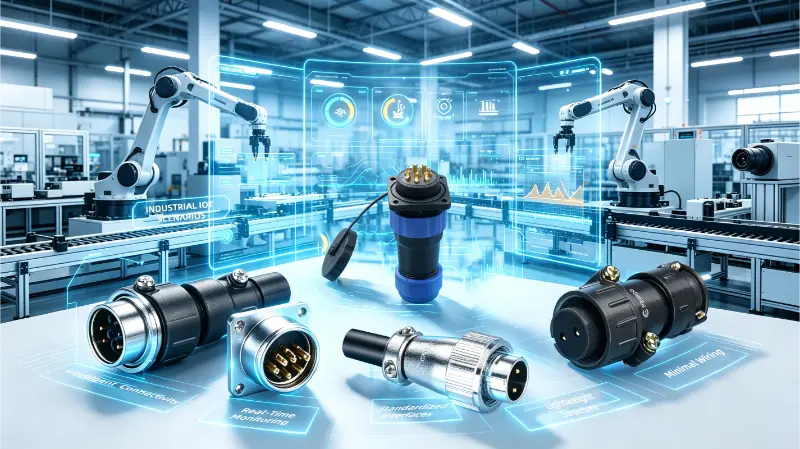
Smart manufacturing integrates automation, data exchange, and intelligent control systems to improve production efficiency and reduce operational costs.In this new environment, machines, sensors, and control units are no longer independent systems—they are interconnected through digital networks. This requires stable and reliable connectivity solutions to ensure smooth data and power transmission across the entire production system.Industrial connectors now play a more important role than ever before, acting as the "bridge" between physical equipment and digital control systems.
The rapid growth of IoT devices in industrial environments has significantly increased the number of connected nodes in factories and production systems.These devices require connectors that can support:
● Stable high-speed signal transmission
● Continuous power supply in automated environments
● Resistance to electromagnetic interference (EMI)
● Long-term reliability in 24/7 operation systems
As IoT applications expand into areas such as predictive maintenance, remote monitoring, and real-time production tracking, the demand for reliable industrial connectors continues to grow.
Under the influence of smart manufacturing and IoT integration, connector design is evolving in several important directions:
● Higher Data Transmission Modern Stability Theory industrial systems require connectors that can maintain stable signal quality even in complex electromagnetic environments.
● Miniaturization and High-Density Design As equipment becomes smaller and more integrated, connectors must deliver high performance in limited installation space.
● Multi-Functional Integration Connectors are increasingly required to support both power and signal transmission within a single interface.
● Improved Environmental Resistance Industrial environments often include dust, vibration, moisture, and temperature fluctuations, requiring connectors with strong protection performance.
In smart factories, even a small connection failure can lead to system downtime and production losses. Therefore, connector reliability has become a key focus for manufacturers and end users.High-reliability industrial connectors must ensure:
● Stable mechanical locking performance
● Long service life under frequent mating cycles
● Consistent electrical contact quality
● Reduced maintenance requirements
These features are especially important in industries such as industrial automation, robotics, energy systems, and transportation.
With the development of smart manufacturing and IoT systems, industrial connectors are being widely used in various sectors, including:
Industrial automation and robotics systems
● Smart factories and production lines
● Energy storage and renewable energy systems
● Transportation and railway infrastructure
● Communication and control equipment
As application scenarios become more complex, customization and product adaptability are becoming increasingly important.
Looking ahead, industrial connectors will continue to evolve alongside smart manufacturing technologies.Future development trends may include:
● Integration with intelligent monitoring systems
● Real-time status feedback (temperature, current, connection status)
● Predictive maintenance capabilities
● Higher compatibility with IoT and digital factory systems
This indicates that connectors are no longer just passive components, but are becoming part of intelligent industrial ecosystems.
Smart manufacturing and IoT integration are fundamentally transforming the industrial connector industry. From design and materials to functionality and application scenarios, connectors are evolving toward higher reliability, greater intelligence, and stronger system integration.For manufacturers such as Zhejiang Gaoshiwei Aviation Plug Co., Ltd., keeping pace with these trends is essential to meeting the growing demands of global industrial automation and smart manufacturing development.