
As automation continues to grow across industries such as manufacturing, robotics, and smart factories, connector design is also evolving rapidly. Connectors, once considered simple components, are now becoming critical parts of system performance, reliability, and efficiency.
This article explores how automation is reshaping connector design requirements and what trends are emerging in the industry.
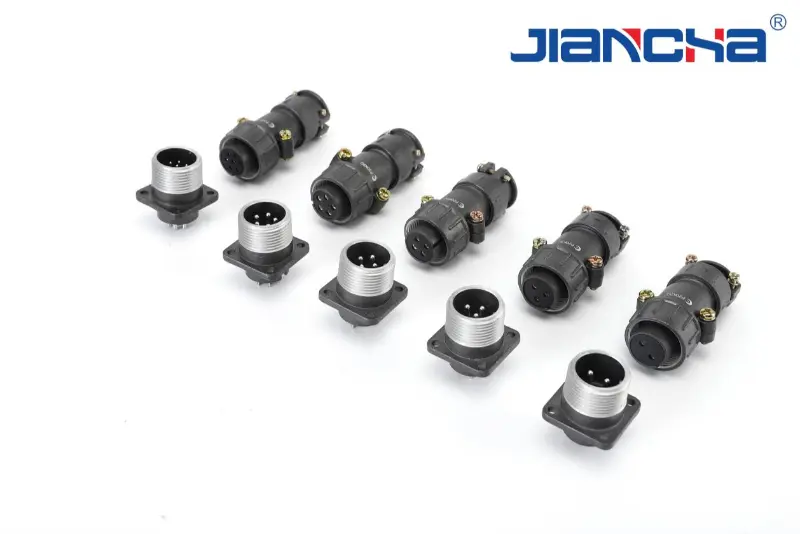
Modern automation systems require fast, stable, and continuous transmission of both power and data. Whether in industrial robots or production lines, connectors must perform reliably under more demanding conditions than ever before.
Key changes driven by automation include:
•Higher data transmission speed requirements
•More frequent mating cycles (plug and unplug use)
•Stronger resistance to vibration, dust, and temperature changes
As a result, connector performance has become a key factor in system stability.
To keep up with the development of compact and high-density equipment, connector design is also changing.
● Miniaturization
Modern machines are becoming smaller, which requires connectors to deliver high performance in limited space.
● High Reliability
In automated environments, downtime is costly. Connectors must ensure long-term stable operation with minimal maintenance.
● Modular and Easy Installation
Quick-connect and modular designs help reduce installation time and improve production efficiency.
Automation is used in many industries, and each has unique requirements for connectors:
Industrial Robots: Need strong durability for continuous movement
Smart Manufacturing Equipment: Requires stable high-speed data transmission
Energy Systems (Wind, Solar, Storage): Must withstand heat, corrosion, and harsh environments
Automated Production Lines: Require fast maintenance and minimal downtime
These diverse needs are pushing connector technology forward.
To meet higher performance requirements, manufacturers are improving both materials and production processes:
• High-conductivity metal alloys
• Heat-resistant engineering plastics
• Anti-corrosion surface treatments
• Precision stamping and automated assembly
These improvements help increase connector durability and performance in demanding environments.
With the rise of Industry 4.0 and IoT (Internet of Things), connectors are also becoming smarter.
Future connectors may include features such as:
• Built-in temperature and current monitoring
• Predictive maintenance capabilities
• Real-time data communication with control systems
This means connectors are no longer just physical links—they are becoming part of intelligent systems.
Automation is redefining the role of connectors in modern industries. From design and materials to functionality and intelligence, the entire connector industry is moving toward higher performance, greater reliability, and smarter solutions.
For manufacturers and buyers, understanding these trends can help in selecting the right connector solutions for future applications and improving overall system efficiency.