
Factories around the world are becoming more automated.
Automated production lines, industrial robots, machine vision systems, sensors, and intelligent control equipment are helping manufacturers improve productivity, consistency, and operational efficiency.
But as factories become more automated, they also become more dependent on reliable connections.
Industrial connectors provide the physical connection for power, control signals, and data between different machines and systems. When production equipment operates continuously, connector reliability can have a direct impact on overall system performance.

A modern automated factory can contain hundreds or even thousands of connected devices.
Robots communicate with controllers. Sensors collect information from production equipment. Motors receive power and control signals. Monitoring systems continuously exchange data.
Every one of these connections needs to perform reliably.
This is increasing demand for industrial connectors that can support:
Stable power transmission
Reliable signal communication
Continuous industrial operation
Frequent equipment movement and vibration
Harsh factory environments
As the number of connected components increases, the importance of dependable connection technology increases as well.
In a traditional production environment, a small component failure may affect only part of an operation.
In a highly automated factory, however, one connection problem can potentially interrupt an entire production process.
Unexpected downtime can result in:
Production delays
Higher maintenance costs
Lower equipment utilization
Additional troubleshooting time
Reduced overall efficiency
For manufacturers investing heavily in automation, preventing unnecessary downtime is becoming a major priority.
Reliable industrial connectors can help reduce connection-related failures and support more stable equipment operation.
As automation systems become more advanced, connector requirements are also changing.
1. Mechanical Durability
Robotic equipment and automated machinery can involve continuous movement, vibration, and repeated operation. Connectors therefore need strong mechanical structures and reliable locking systems.
2. Environmental Protection
Factories may expose equipment to dust, oil, moisture, temperature changes, and mechanical stress. Properly designed industrial connectors can provide better protection in these demanding environments.
3. Stable Electrical Performance
Reliable power and signal transmission are essential for motors, sensors, controllers, and other automation components.
4. Easy Installation and Maintenance
As production systems become more complex, connectors that are easy to install, disconnect, inspect, and replace can help simplify maintenance operations.
The expansion of automated factories is also encouraging innovation in connector design.
Manufacturers are increasingly looking for solutions that combine reliability, compactness, durability, and application flexibility.
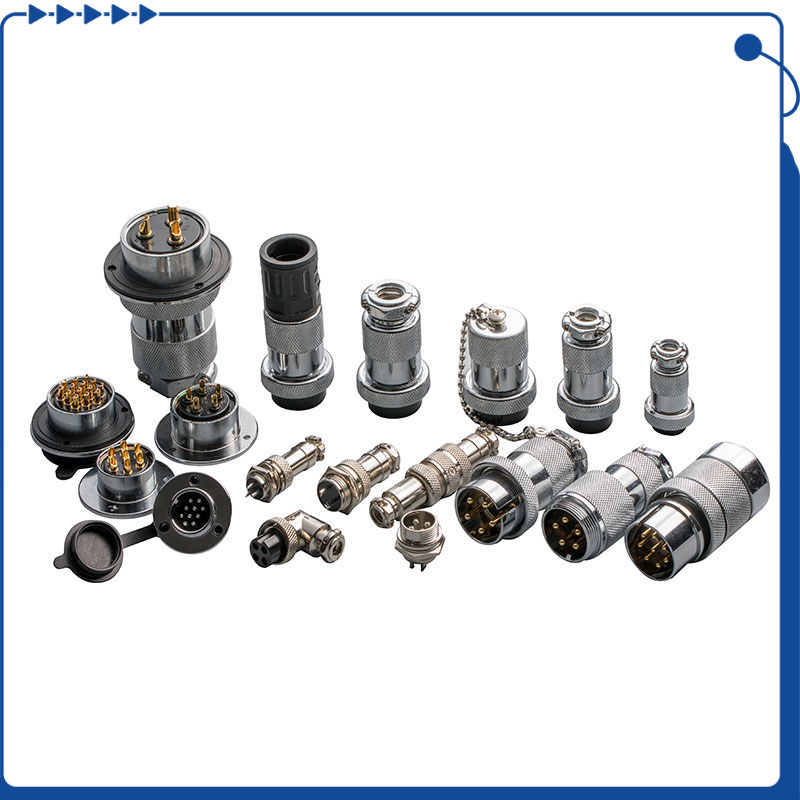
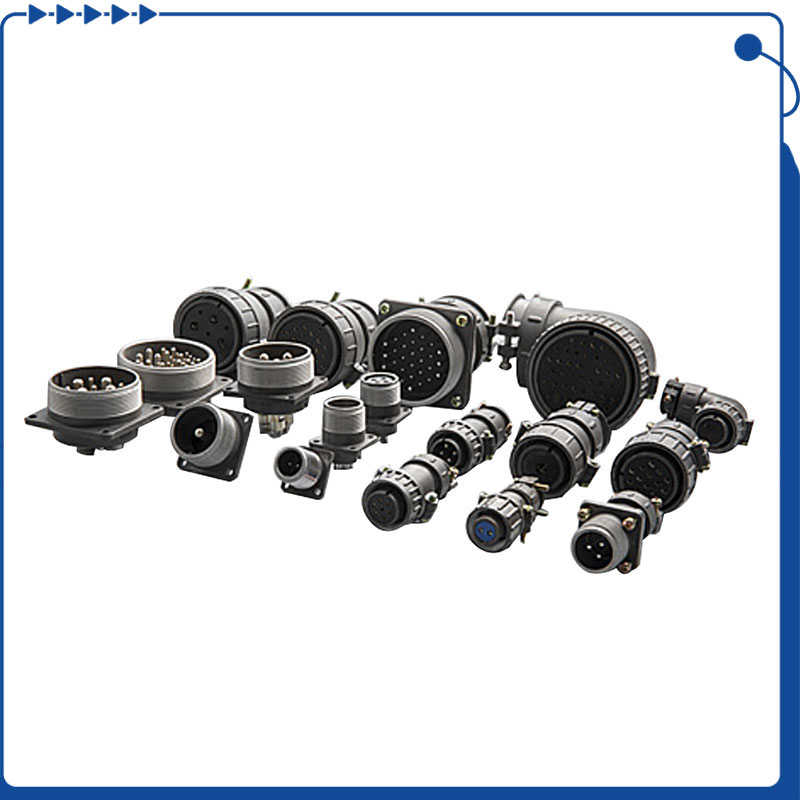
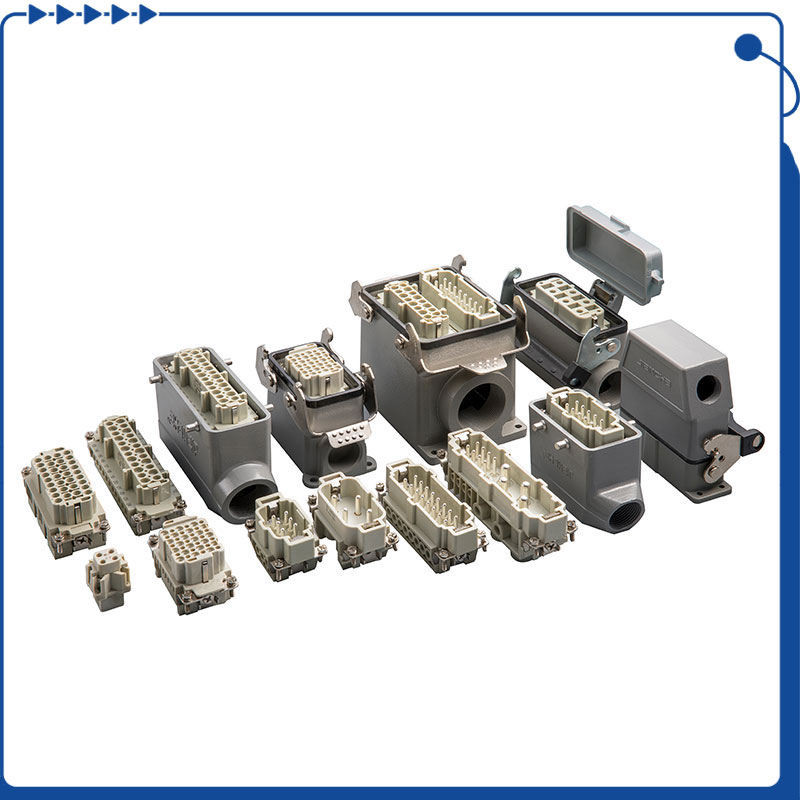
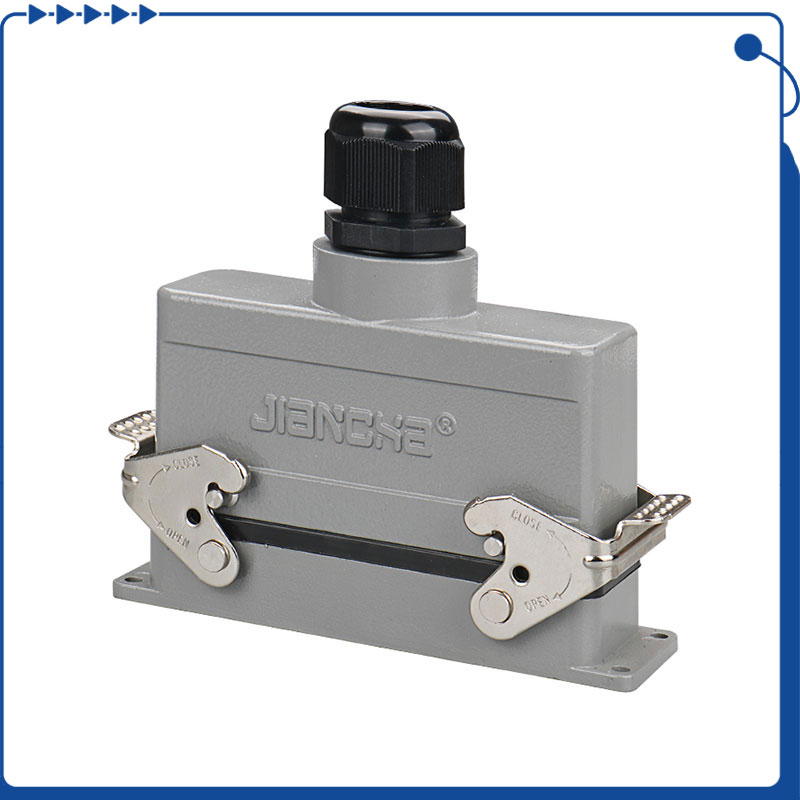
This is creating opportunities for different types of industrial connector solutions, including circular connectors, heavy duty connectors, waterproof connectors, and application-specific designs.Rather than being a small accessory, the connector is becoming an important part of the overall reliability strategy for automated equipment.
Automation will continue to change the manufacturing industry. As factories become more connected, the demand for reliable infrastructure will continue to grow.
Industrial connectors may not be the most visible part of an automated factory, but they are essential links connecting machines, control systems, sensors, and power networks.
At Zhejiang Gaoshiwei Aviation Plug Co., Ltd., we are committed to providing reliable industrial connector solutions for modern manufacturing and automation applications, helping equipment manufacturers build connection systems designed for demanding industrial environments.
Better automation starts with reliable connections.