
Modern industrial equipment is being used in increasingly demanding environments. From factory floors and outdoor machinery to energy systems and transportation equipment, reliable electrical connections are essential for maintaining stable operation.
However, industrial environments can present many challenges. Dust, moisture, vibration, extreme temperatures, and exposure to corrosive substances can all affect connector performance if the products are not properly selected for their applications.
As industrial equipment becomes more advanced, harsh-environment connectivity is receiving greater attention from equipment manufacturers and engineers.
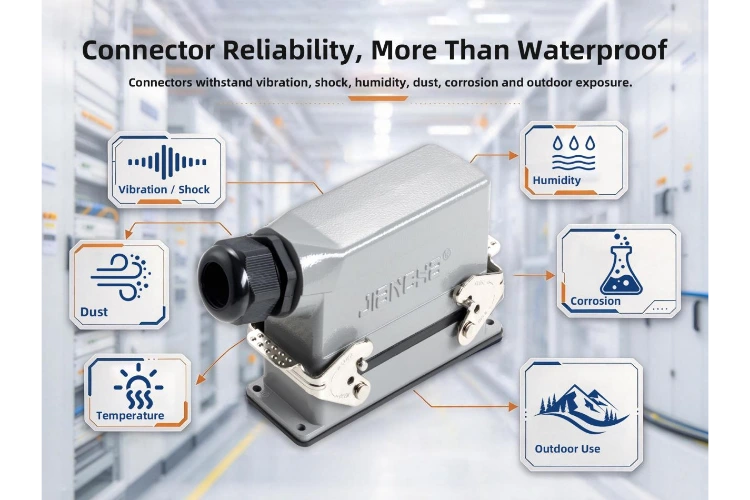
Not all industrial applications operate under the same conditions. A connector used inside a control cabinet may face very different challenges from one installed on outdoor machinery or moving industrial equipment.
Common environmental challenges include:
Dust and moisture: Contaminants can affect electrical contacts if connector protection is inadequate.
Vibration and mechanical impact: Moving machinery may place repeated stress on connectors and locking structures.
Temperature changes: High or low temperatures can affect connector materials and operating performance.
Corrosion: Humidity and certain chemicals can damage materials or contact surfaces over time.
Frequent connection cycles: Equipment requiring regular maintenance may need connectors designed for repeated mating and unmating.
Understanding these conditions is the first step toward selecting a suitable industrial connector solution.
A connector is a small component, but its performance can influence the operation of an entire machine.
An unreliable connection may lead to signal interruptions, power transmission problems, additional maintenance, or unexpected equipment downtime.
For manufacturers, these problems can increase operating costs and affect production efficiency.
Choosing connectors that match the actual working environment can help reduce connection-related risks and support more dependable equipment operation.
For outdoor machinery, energy equipment, and applications exposed to moisture, environmental sealing is an important consideration.
Waterproof industrial connectors with suitable ingress protection can help prevent water and dust from entering the connection interface. The required protection level should be selected according to the installation location and operating conditions.
Industrial equipment may be exposed to continuous movement, vibration, or accidental impact.
Robust connector housings and reliable locking mechanisms can help maintain secure connections in demanding applications.
Connector materials affect durability, electrical performance, and resistance to corrosion.
Depending on the environment, manufacturers may need to consider corrosion-resistant metal components, appropriate plating, durable housings, and compatible sealing materials.
Environmental durability is only one part of connector selection. Current and voltage ratings, contact resistance, insulation properties, and signal requirements must also meet the needs of the equipment.
A connector should be evaluated as a complete solution rather than selected based on appearance or protection level alone.
Reliable connectivity is important across many industrial sectors, including:
Industrial Automation: Connectors used in machinery, control systems, and production equipment may need to withstand vibration and continuous operation.
Renewable Energy: Solar, wind, and other energy-related equipment may require protection against outdoor weather conditions.
Transportation Equipment: Vibration, temperature changes, and mechanical stress can influence connector selection.
Heavy Machinery: Construction and agricultural equipment may operate in dusty, wet, or physically demanding environments.
Outdoor Industrial Systems: Monitoring devices, control cabinets, and other equipment may require suitable protection against moisture and dust.
Each application has different requirements, making proper product selection essential.
Selecting a connector supplier involves more than comparing prices and product dimensions.
Equipment manufacturers should also consider product consistency, available specifications, manufacturing capability, technical communication, and the supplier's ability to support different application requirements.
Working with a capable industrial connector manufacturer can help simplify product selection and identify suitable options for specific operating environments.
As industrial equipment expands into more demanding applications, the importance of reliable connectivity will continue to grow.
Waterproof connectors, circular connectors, and heavy duty connectors each serve different purposes, depending on electrical, mechanical, and environmental requirements. Understanding these differences helps manufacturers make more informed decisions.
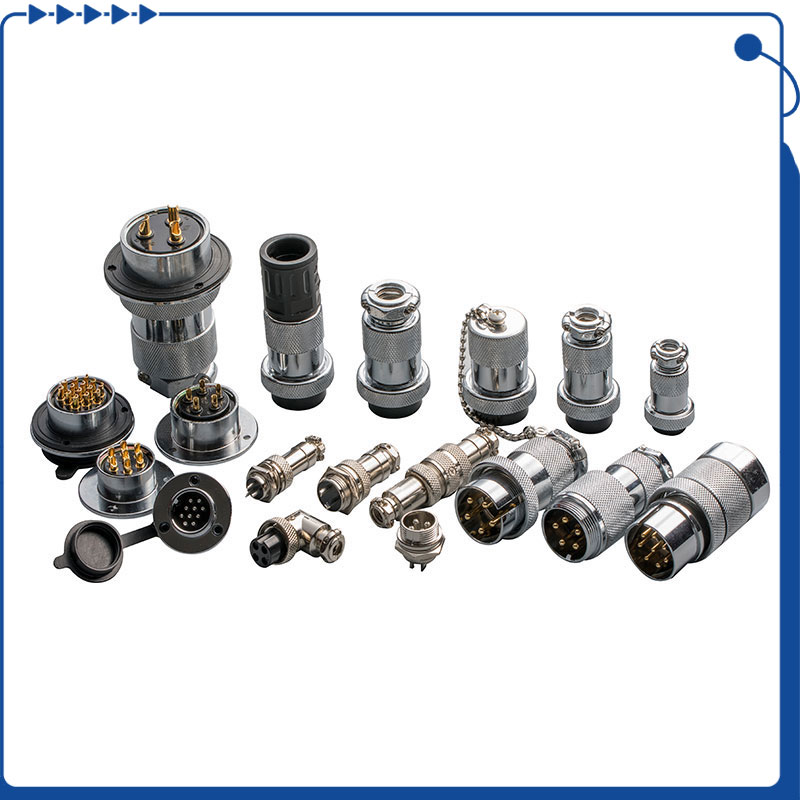
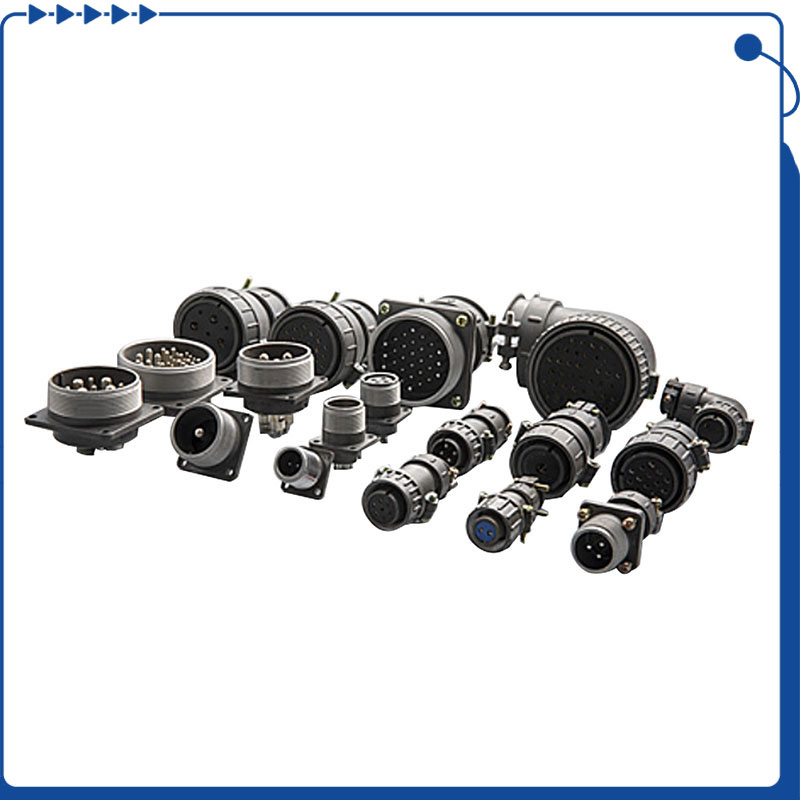
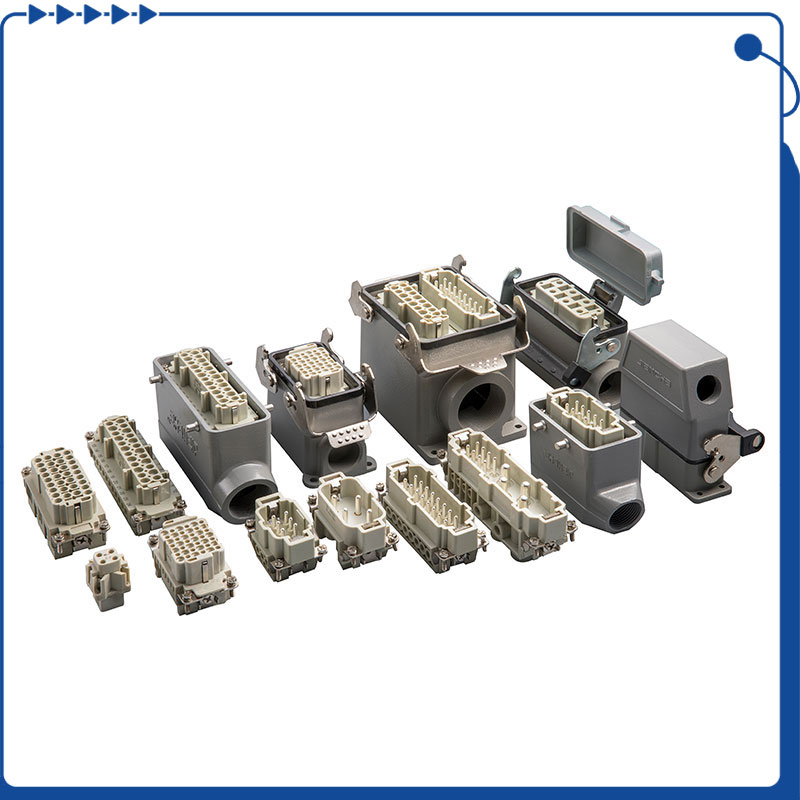
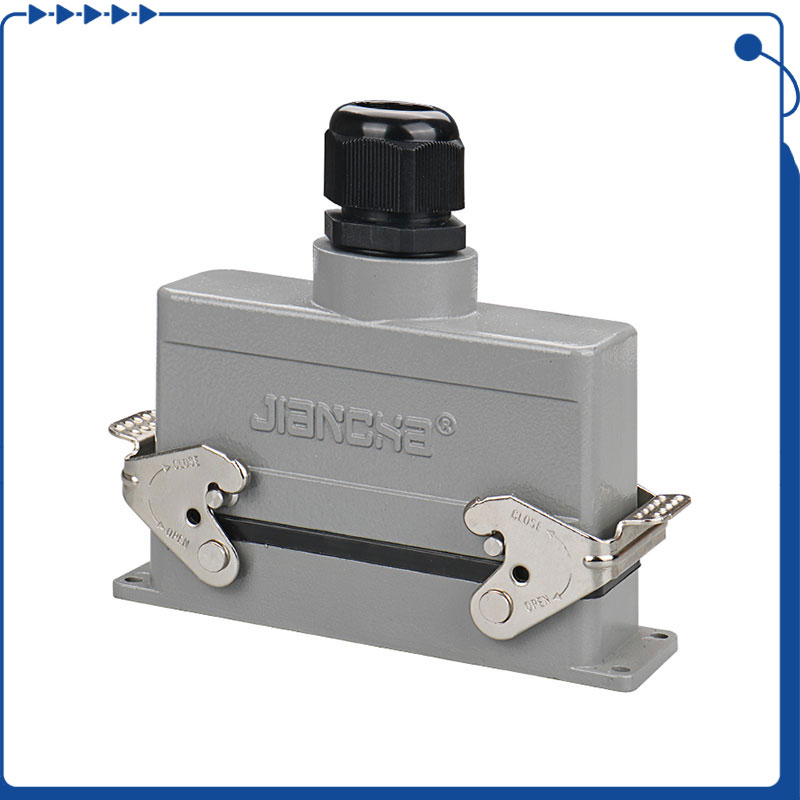
At Zhejiang Gaoshiwei Aviation Plug Co., Ltd., we focus on industrial connector solutions, including circular connectors, heavy duty connectors, waterproof connectors, and other products for industrial applications.
Our goal is to support equipment manufacturers in finding suitable connection solutions for their specific operating conditions.
Reliable industrial equipment starts with connections designed for the environment in which they operate.
#Industrial Connectors #Harsh Environment #Waterproof Connectors #Heavy Duty Connectors #Circular Connectors #Industrial Equipment #Industrial Automation #Connector Solutions