
Article Summary:
Metal Round Dense Connectors Circular are critical components in modern industrial systems where stability, precision, and durability are required. This article explores how these connectors function, where they are applied, and why they are essential for ensuring uninterrupted electrical and mechanical performance. It also highlights selection criteria, common challenges, and practical engineering insights to help buyers and engineers make informed decisions.
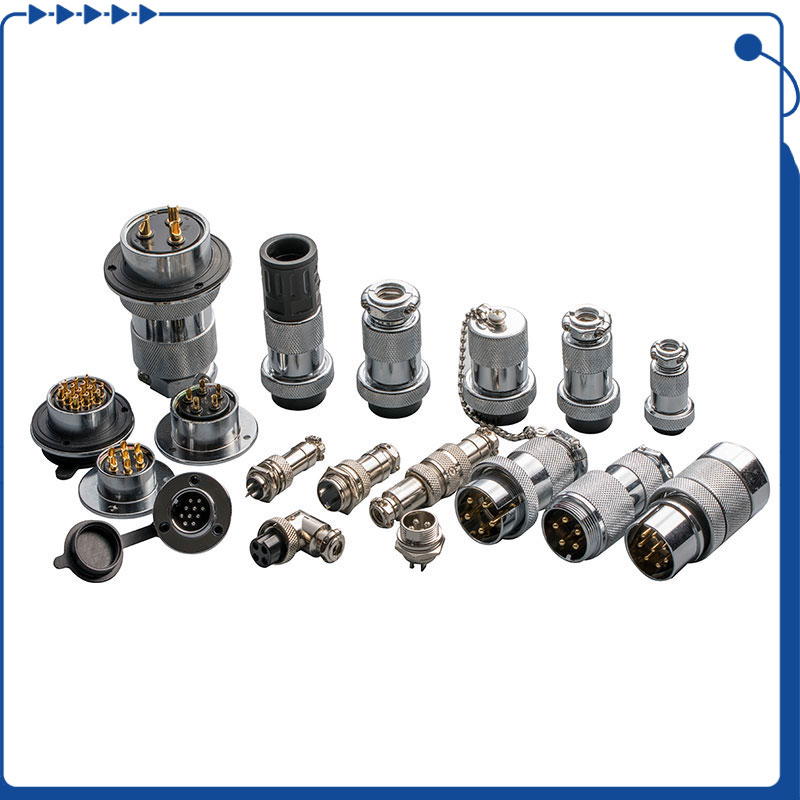
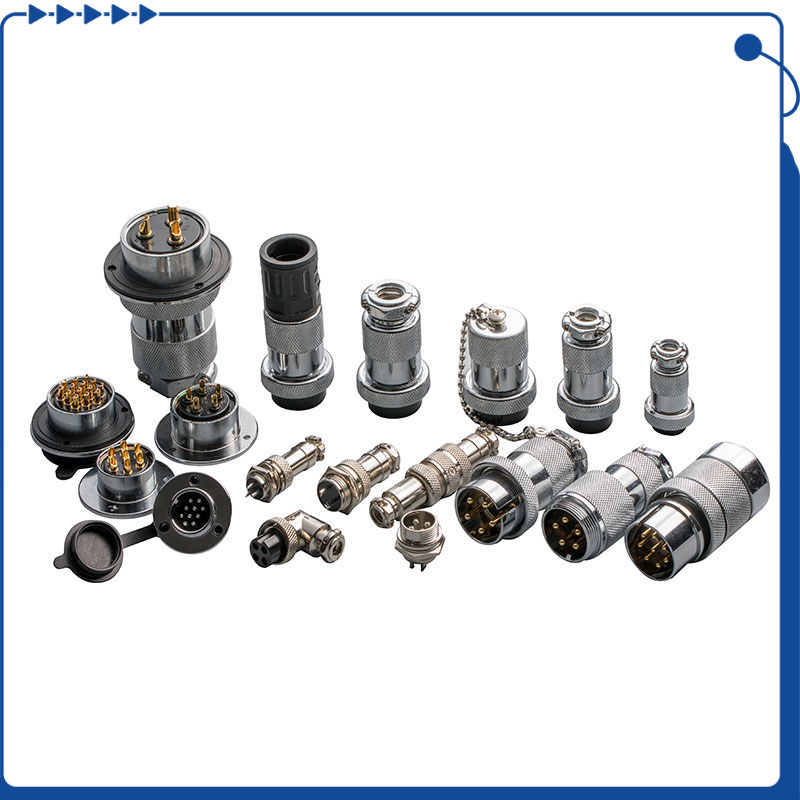
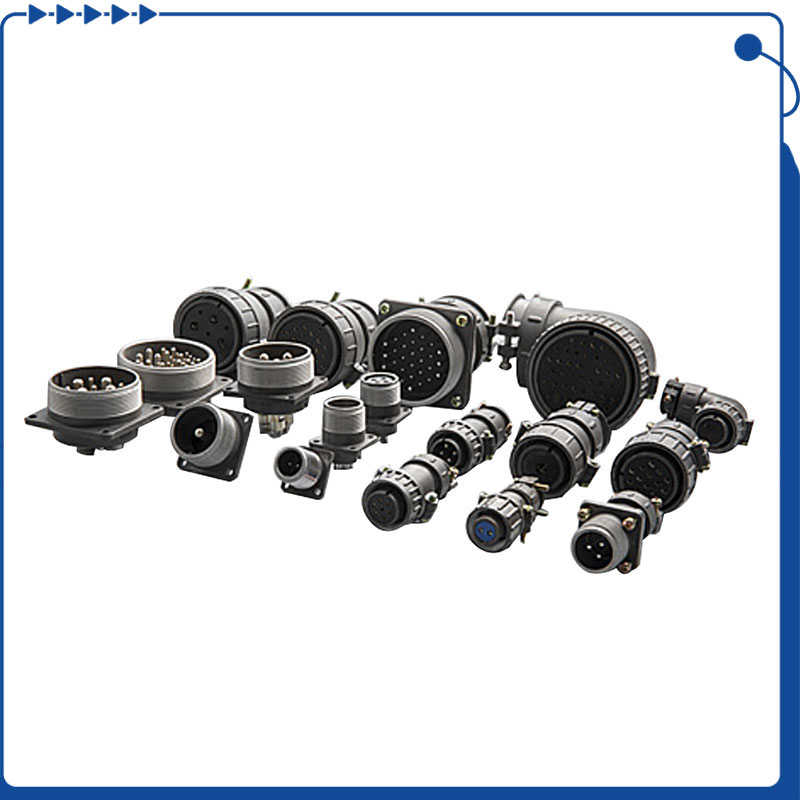
Metal Round Dense Connectors Circular are engineered interconnection components designed for high-density signal, power, or hybrid transmission in compact industrial environments. Their circular architecture allows uniform stress distribution, improved shielding, and stable locking mechanisms, making them ideal for harsh operating conditions.
In industries such as automation, aerospace, transportation systems, and heavy machinery, these connectors play a crucial role in maintaining uninterrupted operational continuity. Their dense pin configuration ensures multiple signal pathways within a limited footprint.
The performance of Metal Round Dense Connectors Circular depends heavily on their internal structure and materials. Typically, they consist of:
This layered design ensures both mechanical durability and electrical stability, even under extreme vibration or temperature fluctuations.
Metal Round Dense Connectors Circular are widely used across industries where high reliability is required. Their compact and rugged design makes them suitable for:
These connectors ensure stable performance even in environments exposed to dust, moisture, vibration, or electromagnetic interference.
Engineers prefer Metal Round Dense Connectors Circular due to their combination of performance and reliability. Key advantages include:
These advantages make them indispensable in mission-critical systems where failure is not an option.
| Feature | Standard Connectors | Metal Round Dense Connectors Circular |
|---|---|---|
| Signal Density | Moderate | High |
| Durability | Medium | High (industrial-grade) |
| Environmental Resistance | Basic protection | IP-rated protection against dust/water |
| Vibration Resistance | Limited | Excellent |
| Application Scope | Consumer electronics | Industrial & critical systems |
Selecting the correct Metal Round Dense Connectors Circular requires careful evaluation of operational requirements. Consider the following factors:
A mismatch in these parameters can lead to performance degradation or system failure.
Despite their robust design, these connectors may face certain challenges:
Proper installation and selection significantly reduce these risks.
To maximize service life, consider the following maintenance practices:
With proper care, these connectors can deliver long-term stable performance in demanding environments.
High-quality sourcing is critical when selecting Metal Round Dense Connectors Circular for industrial applications. Reliable manufacturers ensure consistent material quality, precision machining, and compliance with industrial standards.
One such trusted supplier is Gaoshiwei, which provides engineered connector solutions tailored for demanding environments. Their product range supports customization for different industrial requirements, ensuring both performance and durability.
For detailed specifications and product options, refer to:
https://www.jianchaconnect.com/metal-round-dense-connectors-circular.html
If you are looking for dependable industrial connector solutions, Gaoshiwei is ready to support your engineering needs. Contact us to discuss your project requirements and receive tailored technical assistance.
Q1: What makes circular dense connectors different from standard connectors?
They offer higher pin density, better vibration resistance, and improved environmental protection.
Q2: Are they suitable for outdoor environments?
Yes, when properly sealed and rated, they can operate in harsh outdoor conditions.
Q3: Can these connectors be customized?
Yes, pin configuration, housing material, and sealing level can be customized based on application needs.
Q4: What industries commonly use them?
Automation, aerospace, transportation, energy systems, and medical equipment industries widely use them.
Q5: How long is their typical lifespan?
With proper maintenance, they can last several years even in demanding environments.